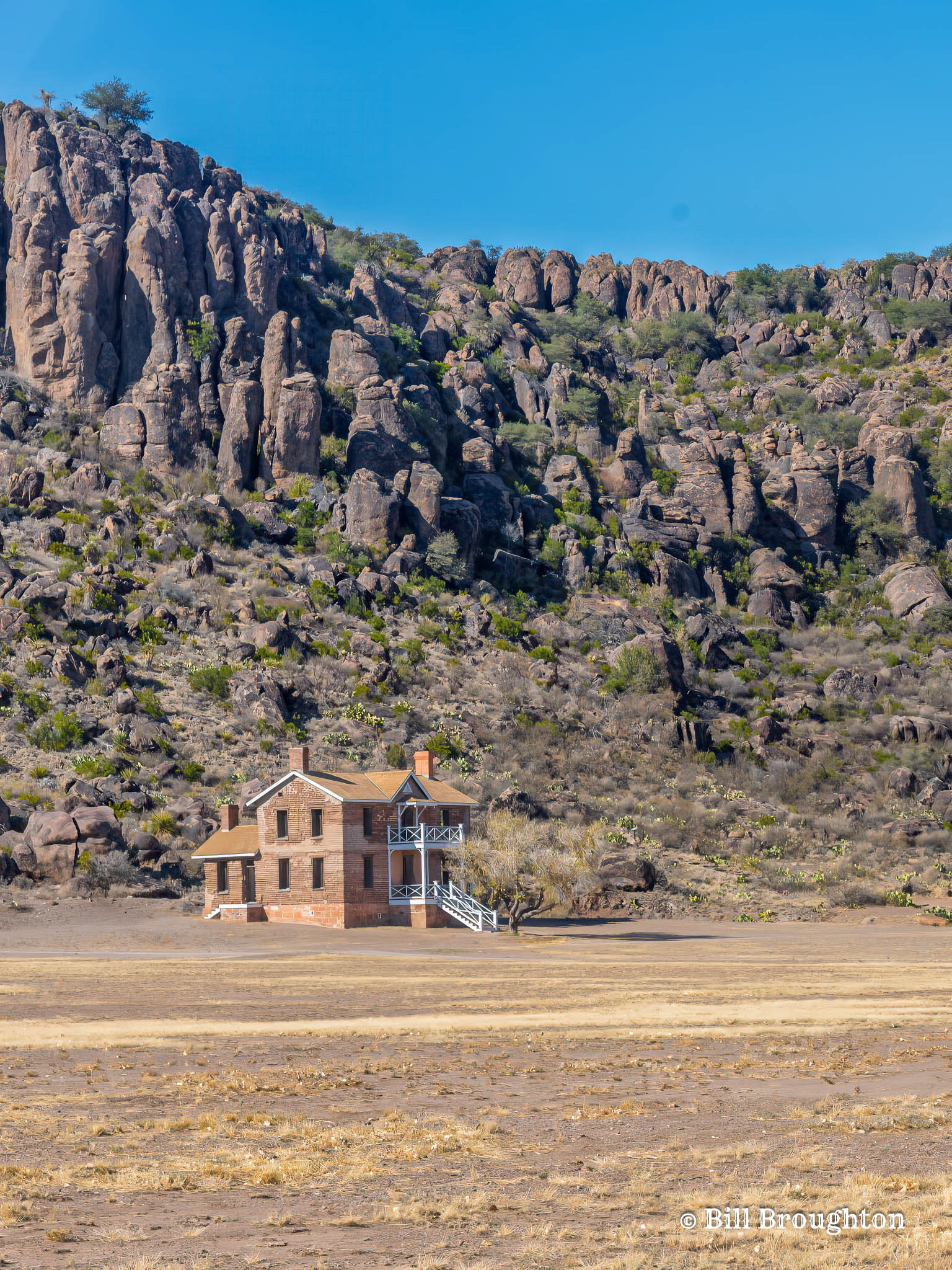
Tucked away in the high desert of West Texas, the Davis Mountains region stands as one of the most scenic and remote natural areas in the state. Often referred to as the “Texas Alps,” this rugged mountain range rises dramatically from the surrounding Chihuahuan Desert, offering cooler temperatures, clear skies, and sweeping views. The area is home to a diverse ecosystem, with pine and oak woodlands providing a sharp contrast to the arid landscapes found throughout much of the region. As one of the most pristine wilderness areas in Texas, the Davis Mountains attract nature lovers, hikers, and photographers seeking solitude and natural beauty.
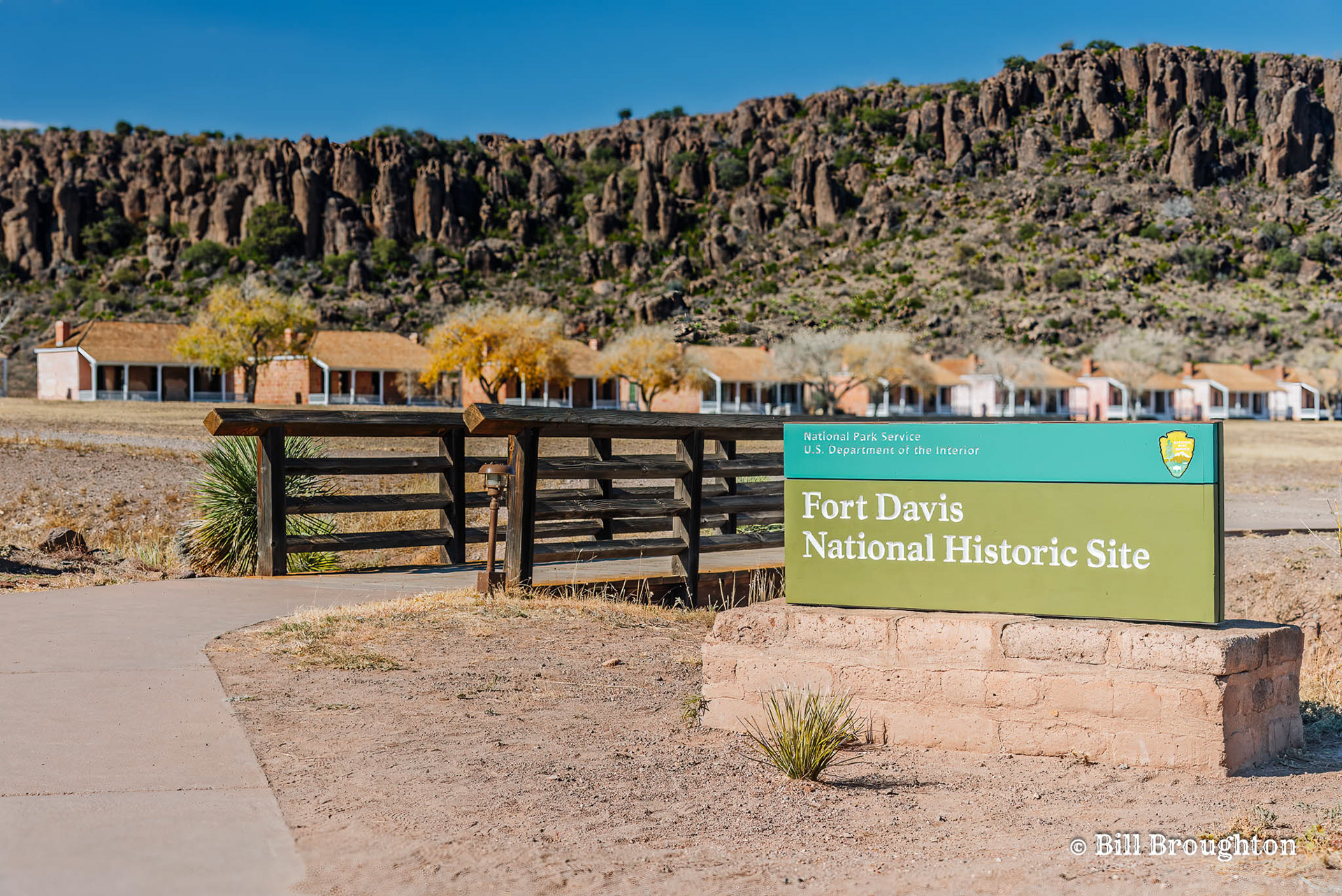
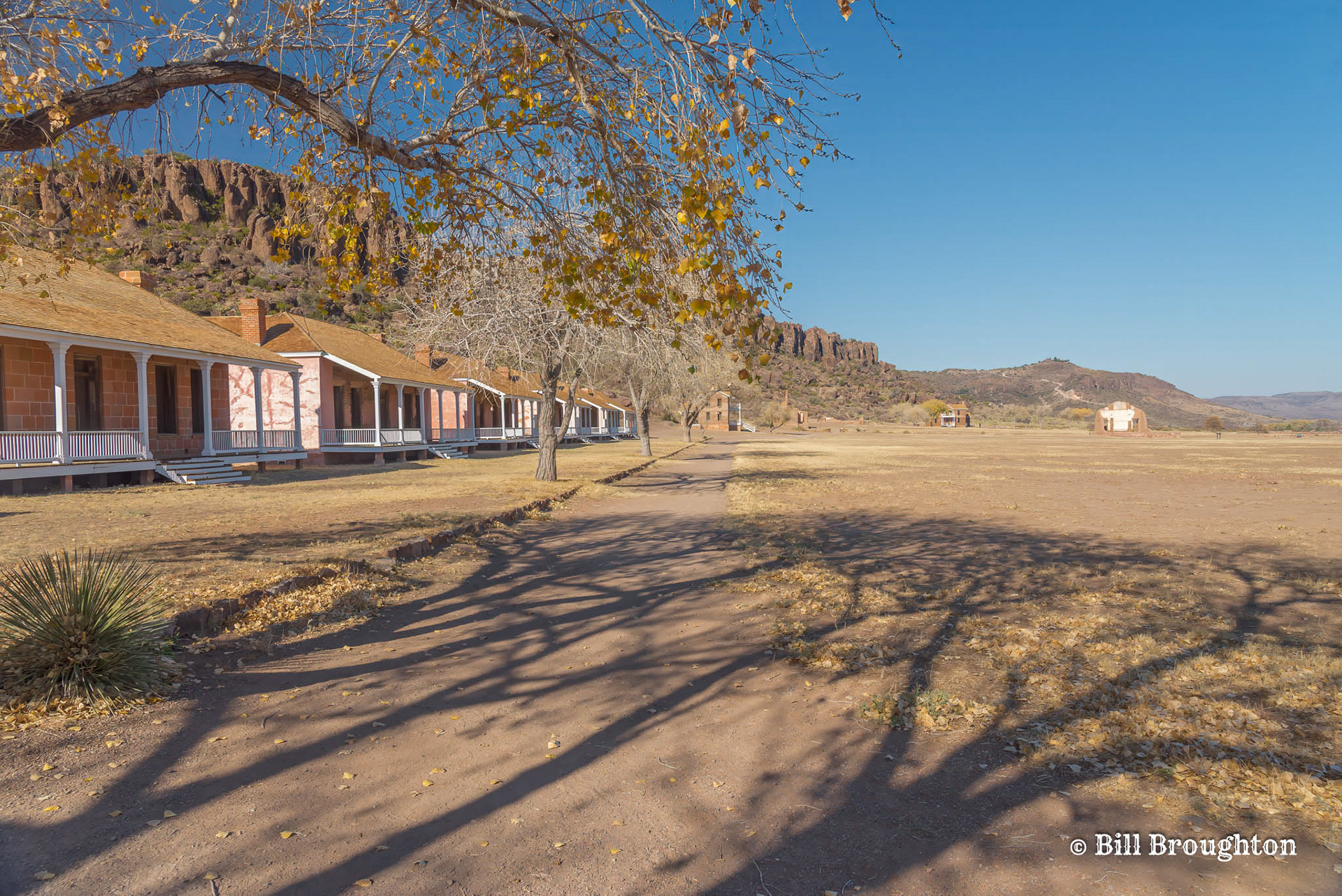
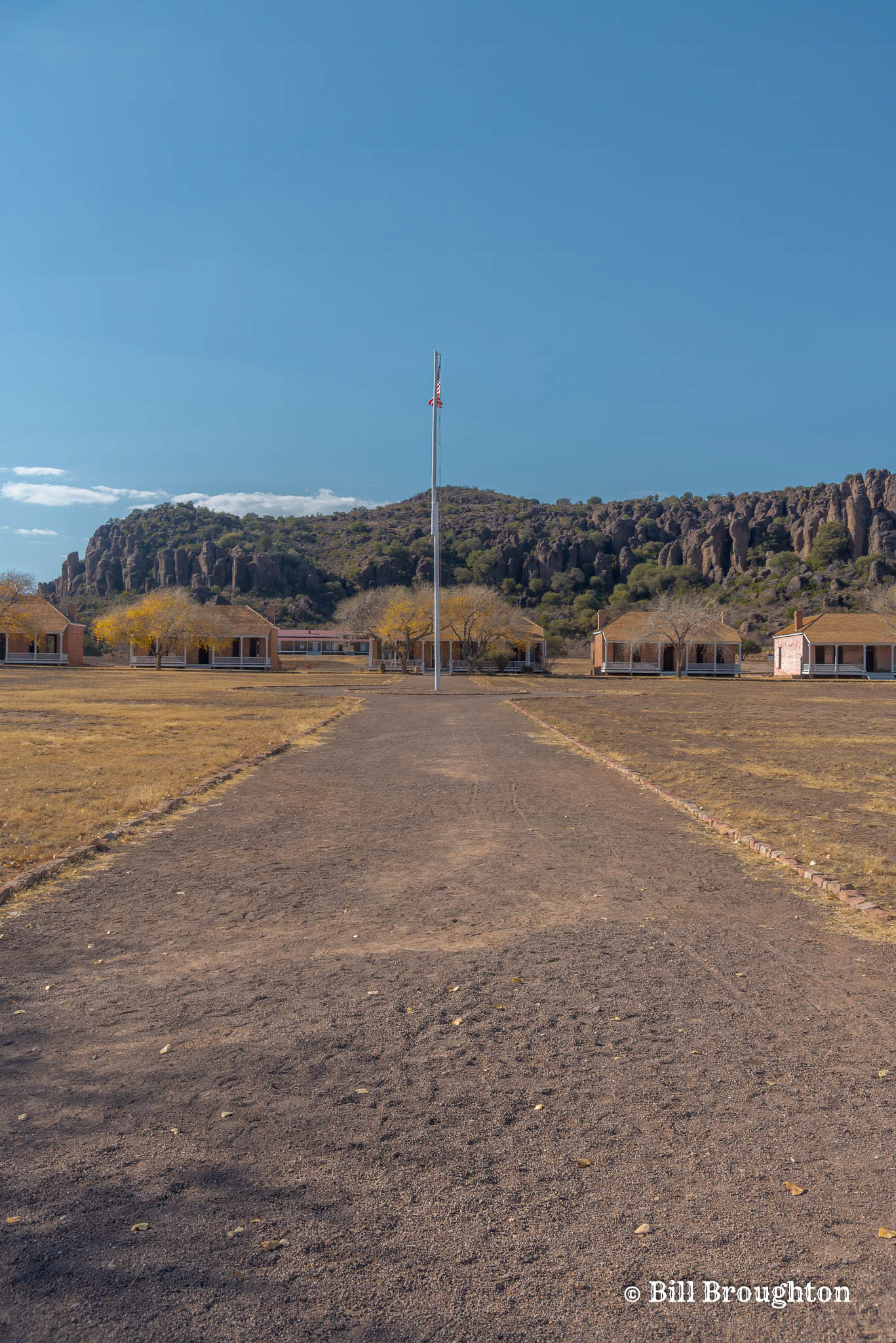
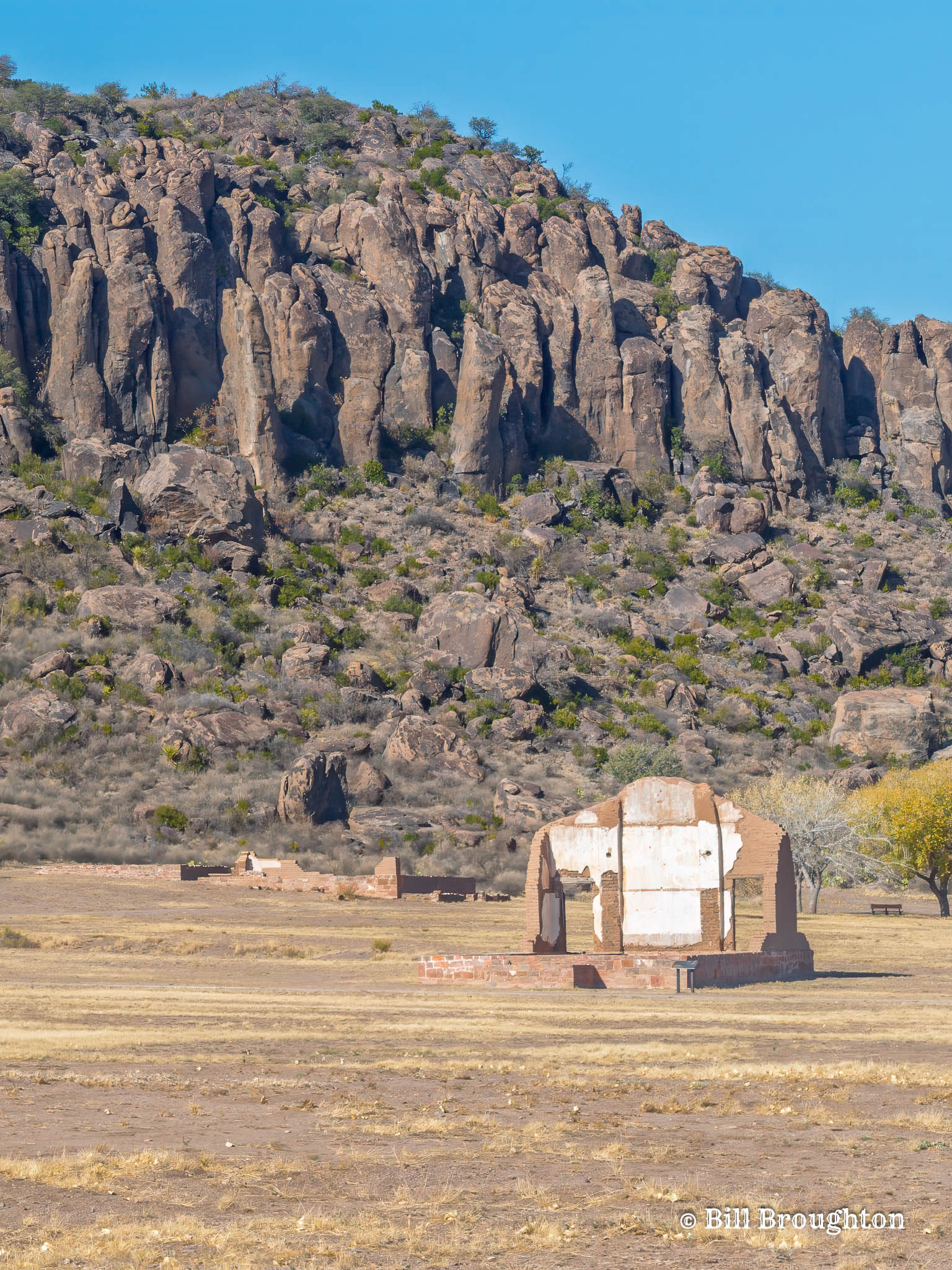
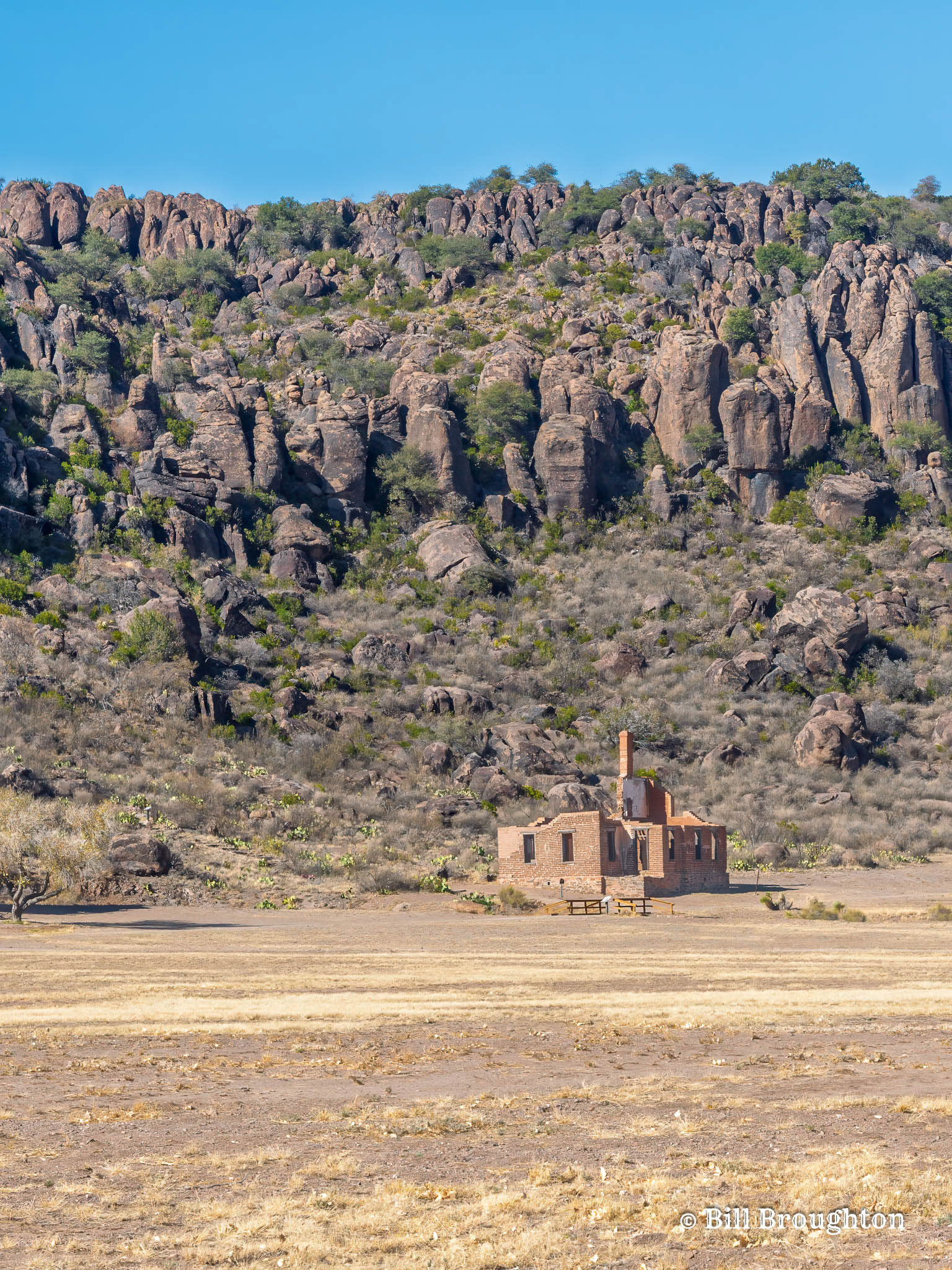
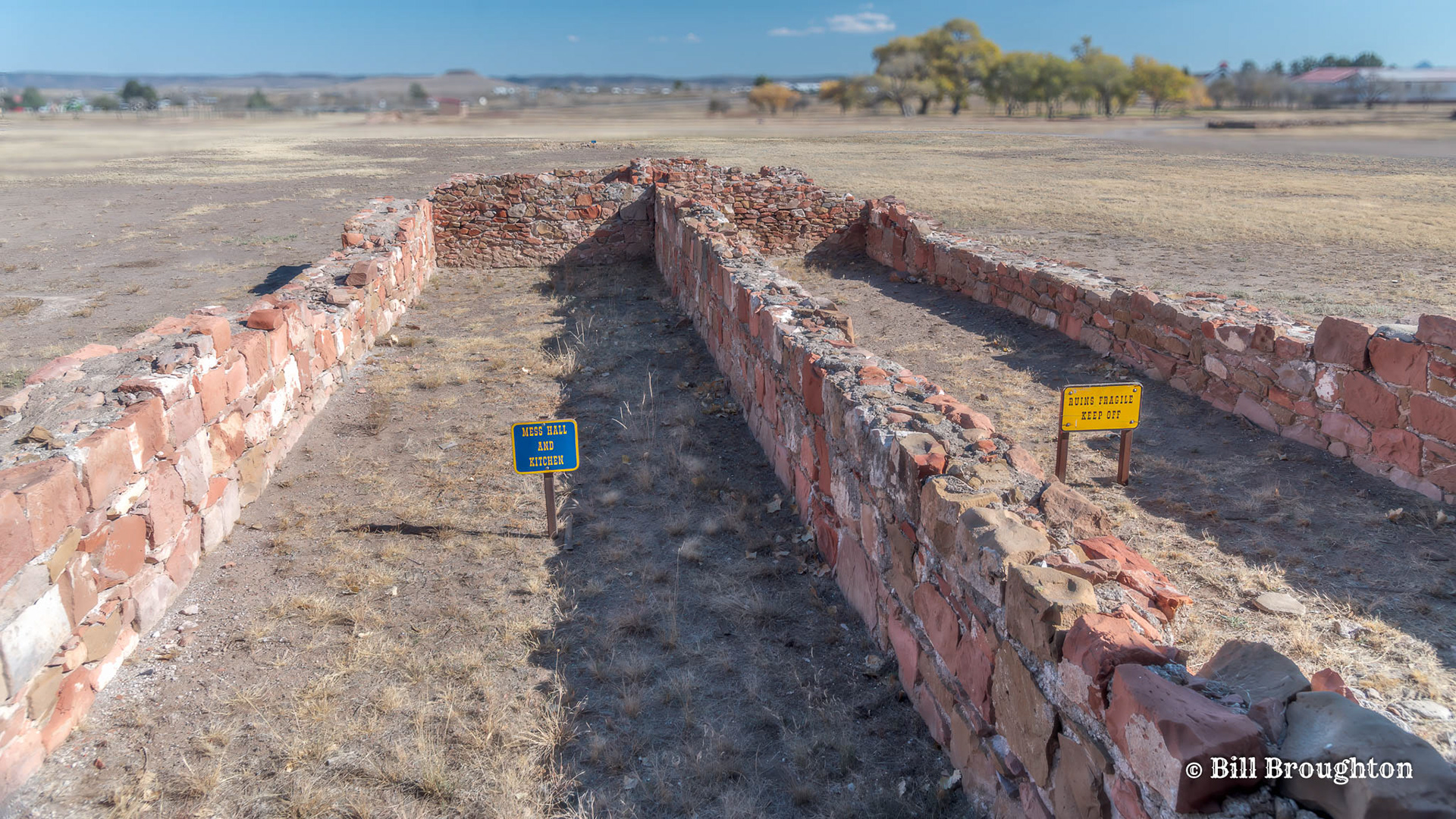
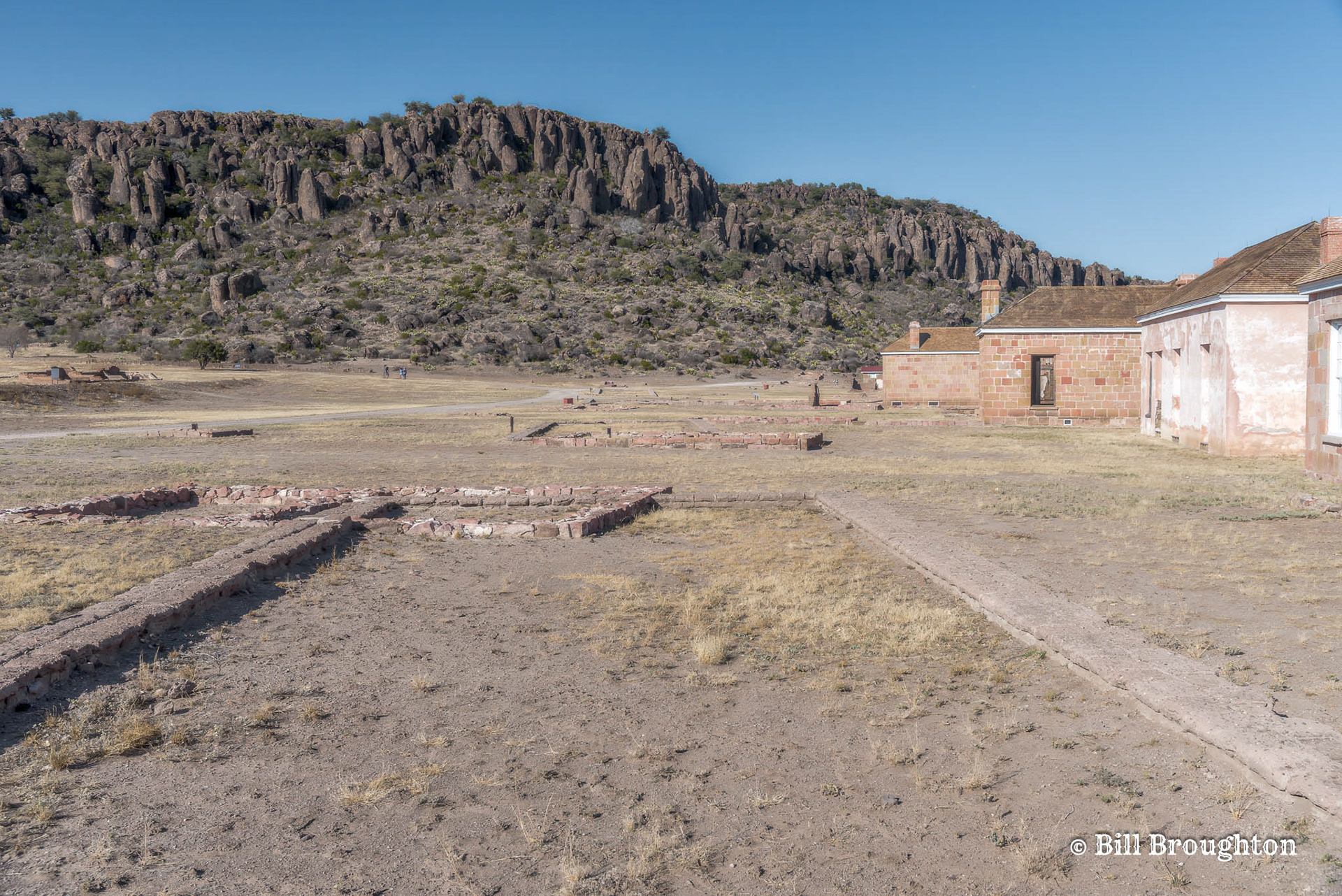
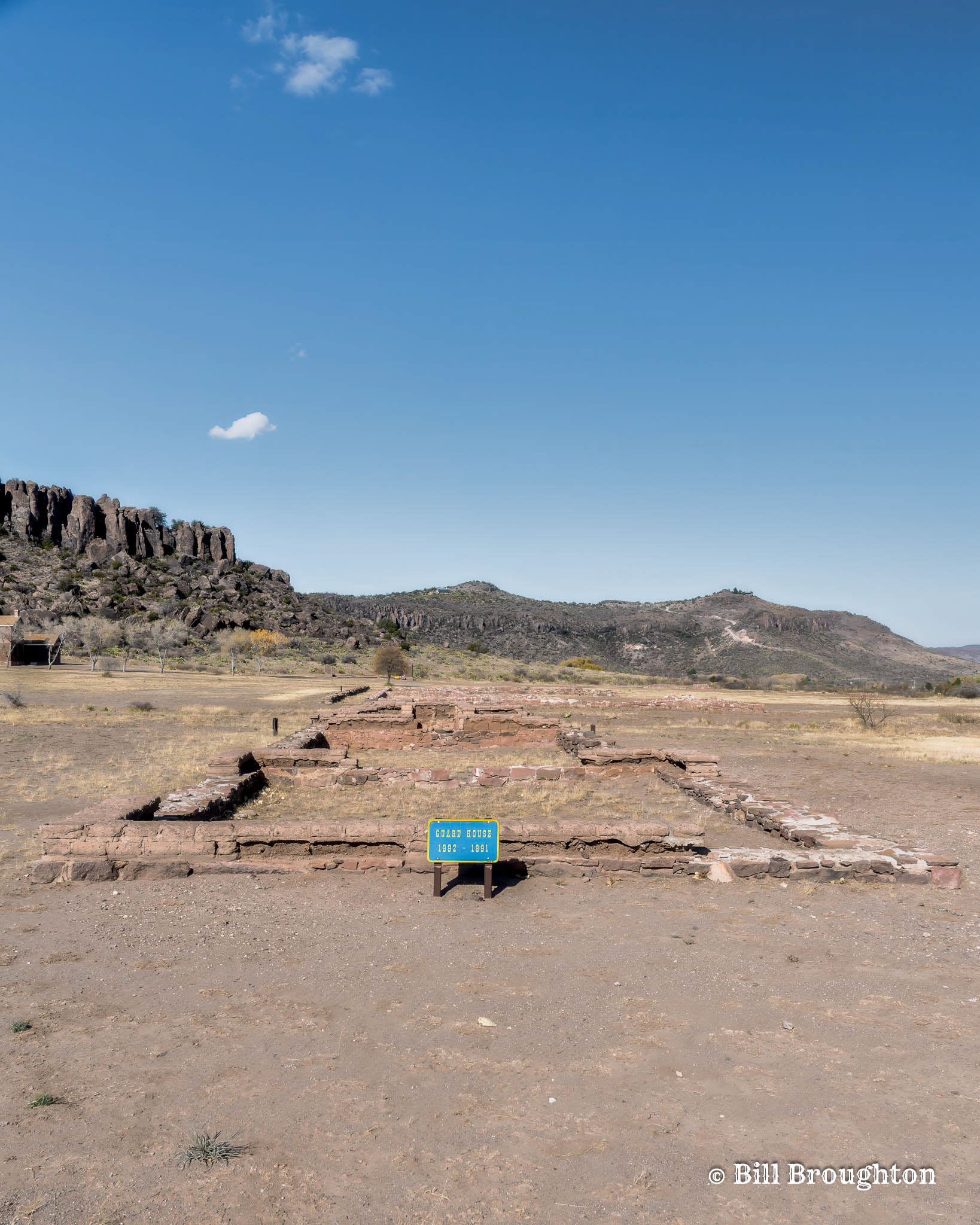
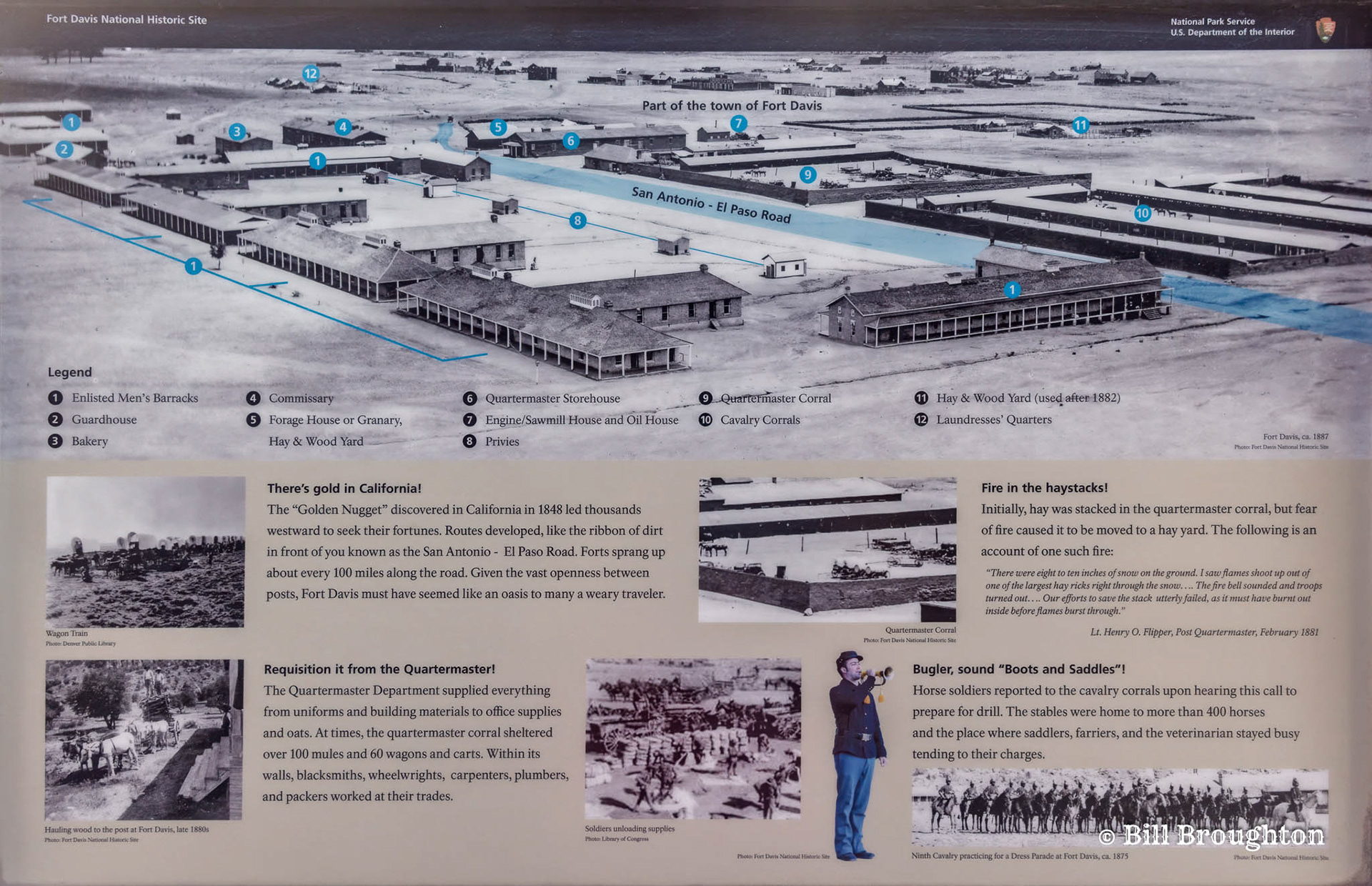
At the heart of the region is Fort Davis National Historic Site, a well-preserved 19th-century military post that once protected emigrants, mail coaches, and freight wagons on the San Antonio-El Paso Road. Visitors to the fort can walk through restored buildings, explore the surrounding trails, and gain insight into frontier military life during the Indian Wars. Just a few miles away, Davis Mountains State Park offers a wide range of outdoor recreation, including scenic hiking trails, camping, and panoramic viewpoints. The park’s Skyline Drive provides breathtaking overlooks of the surrounding mountains and desert plains, making it a favorite spot for sunset watching.
Perhaps the most famous destination in the area is the McDonald Observatory, operated by the University of Texas at Austin. Situated at high elevation and far from city lights, the observatory is one of the world’s leading astronomical research facilities and offers public star parties, solar viewings, and guided tours. It draws stargazers and science enthusiasts from all over the world, taking advantage of the region’s dark skies and low humidity. Together, these sites—along with local art galleries, historic ranches, and a slow-paced, small-town atmosphere—make the Davis Mountains region a hidden gem in the vast Texas landscape.